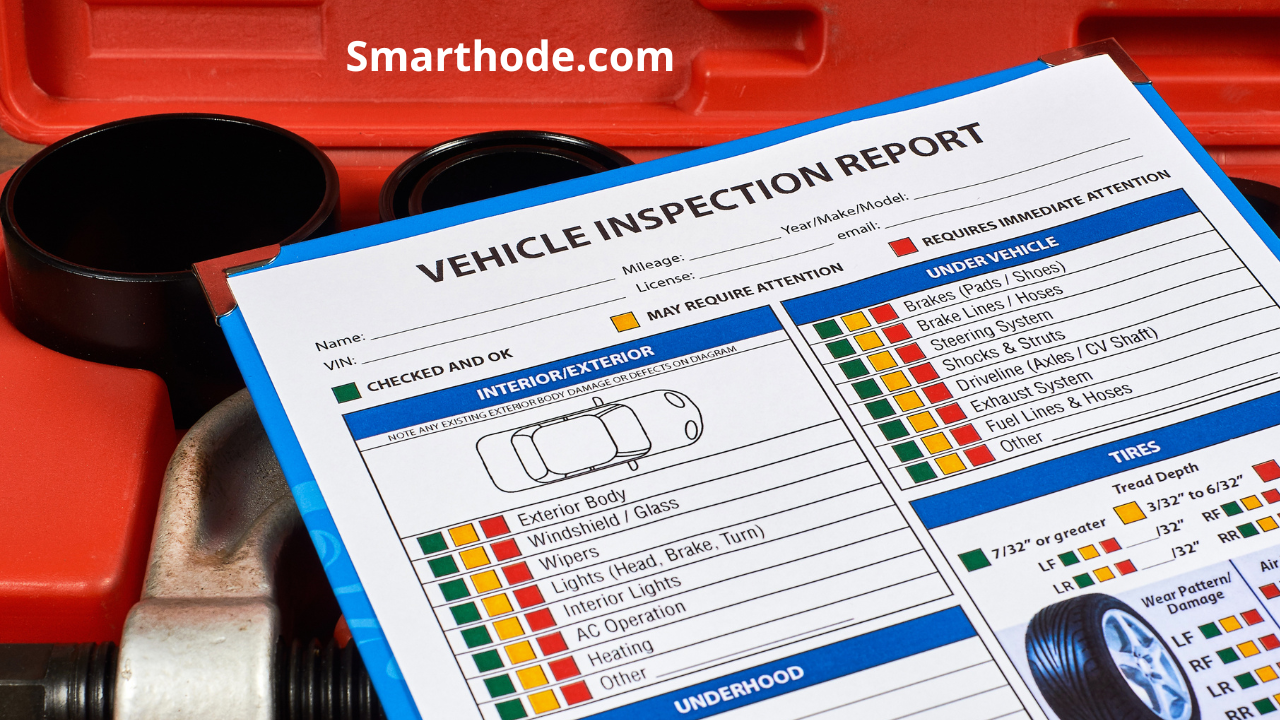
Araç İncelemesi Sırasında Neler Kontrol Edilir?
Vehicle inspections are a critical part of ensuring road safety and vehicle reliability. During a vehicle inspection, various aspects of the vehicle are carefully evaluated and any mechanical issues or safety concerns are identified.
These inspections usually include checks on the vehicle’s brakes, tires, headlights, steering, suspension systems, and exhaust emissions systems. Inspectors can also verify the legality and authenticity of the vehicle by examining the vehicle’s documents and identification numbers.
Please read on to learn more about what is checked during a vehicle inspection and why it is important.
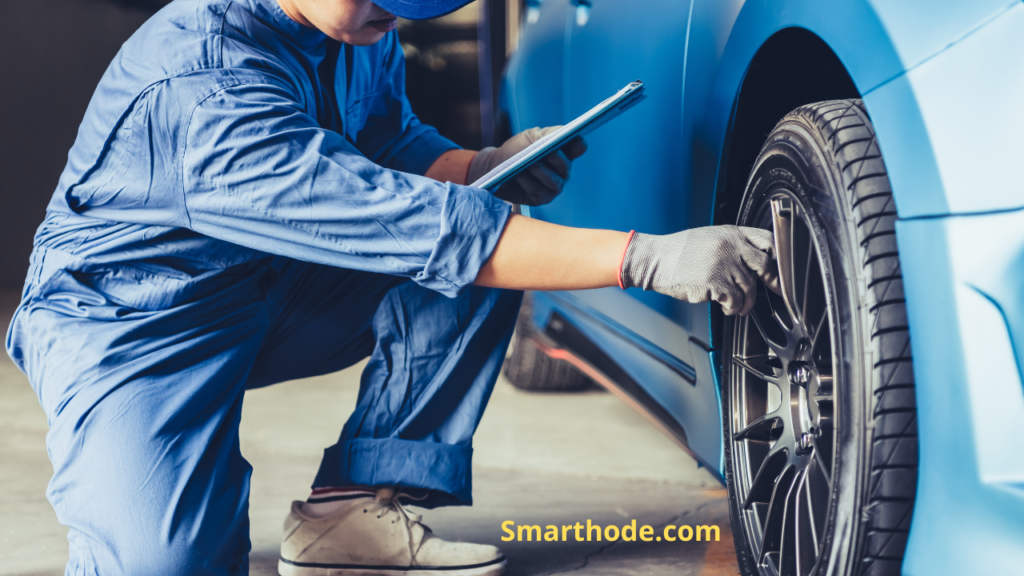
What Should Be Considered During Vehicle Inspection?
During a vehicle inspection, various areas of the vehicle are checked to ensure that the vehicle is safe and in proper working order.
The items checked may vary by country or state, but the following areas are typically examined:
1. External
The condition of the vehicle’s body, lights, mirrors, windshield, wipers and tires are checked. Any damage or defects that may affect the safety of the vehicle are noted.
2. Interior
The interior of the vehicle, including the seats, seat belts, dashboard and controls are checked to ensure everything is working properly and does not pose a safety risk.
3. Engine and Mechanical Components
The inspection may check engine oil, coolant levels, brake fluid, steering system and other fluid levels. The condition of the engine, battery, belts, hoses, brakes, suspension and exhaust system are also evaluated.
4. Security Features
The functionality of safety features such as airbags, seat belts, horn, lights and indicators are tested to ensure they are working properly.
5. Vehicle Identification
The vehicle identification number (VIN) and registration information are checked to ensure the vehicle is legally registered and has not been stolen.
Vehicle inspection requirements in particular may vary depending on country, state or local regulations. It is recommended that you contact local authorities or a qualified vehicle inspection center to find out the exact requirements.
External Vehicle Review
Performing an exterior vehicle inspection is important to maintaining your vehicle’s appearance and road safety.
Here are some tips to help you conduct a thorough review:
1. Start with the Body
Walk around the vehicle and carefully check the body for cracks, scratches or signs of damage. Check all panels, doors and windows for signs of wear or cracks.
2. Check the Lights
Test all exterior lights, including headlights, taillights, brake lights, turn signals, and hazard lights. Replace any lights that are not working properly.
3. Check the Tires
Check tire pressure using a pressure gauge and make sure it matches the manufacturer’s recommended PSI. Look for signs of tire wear, such as uneven wear or swelling, and make sure tires have adequate tread depth.
4. Check the Rims
Check the condition of the rims for cracks, bends or damage. Make sure all nuts are properly tightened.
5. Look Under the Vehicle
Stand on the ground and check the underside of the vehicle for signs of leaks, loose parts, or damage. Check the condition of the exhaust system and make sure it is securely attached.
6. Check the Windshield and Wipers
Check the windshield for signs of cracks, scratches or pitting. Test the wipers to make sure they are working properly and replace any worn or damaged blades.
7. Check the Mirrors
Make sure all mirrors, including rearview and side mirrors, are clean, properly adjusted and securely installed.
8. Test Doors and Locks
Open and close all doors and make sure they work properly. Make sure locks work properly.
9. Verify Plates and Registrations
Make sure plates are securely attached and legible. Make sure records are up to date and displayed correctly.
10. Clean the Outside
Finally, wash and wax the exterior of the vehicle regularly to maintain its appearance and protect the paint from damage. By performing a thorough exterior vehicle inspection, you can detect potential problems at an early stage and fix them before they develop into more serious issues.
Regular maintenance and repairs will keep your vehicle looking great and running smoothly.
Interior Vehicle Review
An interior vehicle inspection is an important task to ensure the overall condition and functionality of a vehicle’s interior components. It helps identify potential problems or damage that need to be fixed.
Some important areas to check include:
1. Seats and Upholstery
Check seats and upholstery for tears, stains or damage. Make sure seat belts are working properly.
2. Dashboard and Controls
Examine the instrument panel to check for burnt out lights or warning indicators. Test the functionality of the steering wheel, pedals, and other controls.
3. Sound and Entertainment System
Test the audio system, including the radio, CD player, and navigation system. Check for loose wires or connection problems.
4. Climate Control System
Test the heating, ventilation and air conditioning system and make sure it is working properly. Check for any strange odors or abnormal sounds.
5. Interior Lighting
Test all interior lights, dome light, reading lights and instrument panel lights. Replace any burned out lights.
6. Windows and Mirrors
Check the windows for cracks or damage. Test the functionality of the power windows and mirrors.
7. Storage Compartments
Check the functionality of the glove box, center console, and other storage areas. Make sure they open and close.
8. Security Features
Check airbags, seat belt pretensioners and other safety features and make sure they are working properly.
9. Floor Mats and Rugs
Remove mats and check carpets for signs of wear or damage. Clean or replace mats as needed.
General Cleaning
Pay attention to the overall cleanliness of the vehicle. Vacuum and remove any dirt, dust or debris to maintain a clean and hygienic interior. By performing a detailed interior inspection, you can identify any problems or maintenance needs and address them immediately.
Regular inspections and proper maintenance will help keep your vehicle in top condition and provide a safe and comfortable driving experience.
Mechanical Vehicle Inspection
A mechanical vehicle inspection plays a critical role in assessing the overall condition and functionality of a vehicle. It involves a detailed examination of various mechanical components and aims to detect any issues or potential problems.
Some of the important areas to check during a mechanical vehicle inspection include:
Engine
The engine is the heart of the vehicle, so it’s important to do a thorough inspection. This includes checking for leaks, unusual noises, or signs of overheating. The condition of the belts, hoses, and filters should also be evaluated.
Transmission and Drive System
Transmission and drivetrain components such as the clutch, transmission case and differential should be checked for signs of wear, leaks or slipping. Test drives can help identify problems with shifting problems or abnormal vibrations.
Suspension and Steering
The suspension system and steering components play a critical role in providing a smooth and controllable ride. Check shock absorbers, dampers, control arms and bushings for signs of wear or damage. Check for abnormal noises or steering difficulties.
Brakes
Properly functioning brakes are vital to vehicle safety. Brake pads, discs, calipers and brake lines must be in good condition. Check brake response and look for warning signs such as spongy pedals or squeaking.
Exhaust System
The exhaust system should be checked for leaks, corrosion or damage. Excessive noise or foul odors may indicate a problem with the muffler, catalytic converter or exhaust pipes.
Electrical System
Check the battery, alternator, starter motor and wiring for signs of damage or failure. Test the lights, gauges, horn and other electrical components to make sure they are working properly.
Liquids and Filters
Check the levels and condition of various fluids, such as engine oil, antifreeze, transmission fluid, brake fluid, and power steering fluid. Check filters, such as oil filters and air filters, and replace if necessary.
Torso and Lower Body
Check the body for dents, scratches, or signs of previous accidents. Examine the underbody for rust, corrosion, or other damage that could affect the structural integrity of the vehicle.
As an important note, vehicle inspection requirements and procedures may vary by country, state or region. It is important to check the rules and regulations in your area by contacting your local authorities or vehicle manufacturer.
Summary
A vehicle inspection is a comprehensive assessment of a vehicle’s condition, safety, and compliance with local regulations. Conducted by certified technicians or government agencies, this inspection is intended to verify that the vehicle meets certain standards and is safe for road use.
The inspection usually includes an evaluation of the engine, brakes, tires, lights, emissions and other components. It is often required when purchasing a used vehicle, renewing a vehicle registration or before selling a vehicle.