
Araçta Soğuk Çalıştırma Nedir?
Cold a vehicle refers to the process of starting the engine, usually after the vehicle has been sitting idle for several hours or overnight. During a cold start, the engine oil has cooled and thickened, making it difficult to start the engine.
This can result in a slow start and increased wear on engine components. Understanding the concept of cold starting is important for vehicle owners as it can have an impact on their vehicle’s performance, fuel efficiency and lifespan.
In this article, we’ll take a deeper look at what cold starting is, why it’s important, and how to optimize the process to improve your vehicle’s performance.
Let’s get started.
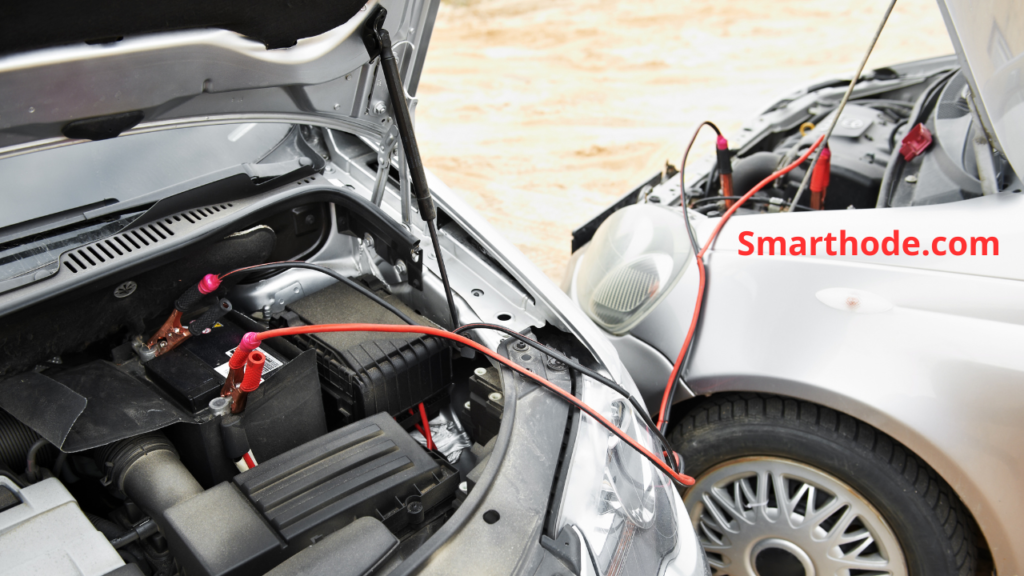
Definition of Cold Start in Vehicle
A cold start on a vehicle usually refers to the process of starting the engine after the vehicle has been idling for several hours or overnight. During a cold start, the engine has cooled down and the environmental temperature is lower, which can affect its performance.
Common problems experienced during cold starts include engine hard starting, rough running, and slow acceleration. This is primarily due to engine oil thickening in cold temperatures, making it harder to properly circulate and lubricate engine components.
Additionally, the fuel mixture may need to be adjusted to accommodate colder temperatures. Modern vehicles feature a variety of technologies that help optimize the cold start process and allow for efficient operation even at low temperatures, including fuel injection systems and engine control systems.
Read More: What is a Shaft in a Vehicle?
The Importance of Understanding Cold Start for Your Vehicle
The concept of a Cold Start in vehicles usually refers to a process where the engine is cold when the vehicle is started after it has been idling for a period of time, especially at night or in cold weather conditions. Understanding the consequences and challenges associated with a Cold Start is important for both vehicle owners and manufacturers. Here’s why:
1. Engine Performance
During a Cold Start, the internal components of the engine, such as the pistons, crankshaft and valves, are cold and may not operate at optimal temperature. This can result in reduced engine performance, such as reduced power output, slow acceleration and increased fuel consumption.
Understanding this can help drivers adjust their driving habits accordingly, allowing the engine to warm up slowly and help it reach peak performance.
2. Emissions and Environmental Impacts
Cold start conditions can significantly impact a vehicle’s emissions. When an engine is cold, the combustion process may not be complete, resulting in the release of higher levels of pollutants such as carbon monoxide (CO), nitrogen oxides (NOx), and volatile organic compounds (VOCs).
These emissions can contribute to air pollution and have negative effects on human health and the environment. Understanding Cold Start can help vehicle manufacturers develop technologies and strategies to minimize emissions during this phase, which may include measures such as improving fuel injection systems or implementing start-stop systems.
3. Engine Wear and Tear
Cold Start conditions can put additional stress on various engine components, including the battery, starter motor, and lubrication system. Starting a cold engine requires more energy and can cause increased friction between moving parts due to decreased lubrication efficiency.
Over time, this can lead to accelerated wear and tear, which can lead to costly repairs and reduced engine life. Understanding Cold Start can help vehicle owners take preventative measures to mitigate these effects, such as using engine pre-heaters or ensuring regular maintenance.
4. Security Issues
Cold start conditions can also affect vehicle safety. For example, a cold engine may not respond quickly to driver interventions such as sudden acceleration or braking.
Additionally, reduced power output during a Cold Start may impact the vehicle’s ability to handle difficult road conditions such as icy or snowy surfaces.
Understanding these safety considerations helps drivers adjust their driving behavior and take precautions to ensure a safe and smooth start to their journey.
Symptoms of a Cold Start
When a vehicle is started in cold conditions, you may notice several symptoms of the cold start process:
1. Longer Cranking Time
When the vehicle is cold, especially at very low temperatures, the engine may take a few seconds longer to start. This is because the oil is thicker and the engine parts are not as well lubricated as they should be.
Increased Exhaust Smoke:
2. Increased Exhaust Smoke:
A small amount of white or blue smoke may come out of the exhaust during a cold start. This is because the oil and fuel mixture is not burning efficiently or the oil is thicker and takes longer to circulate.
3. Irregular Engine Idling
During the first few minutes after a cold start, the engine may idle erratically, causing the vehicle to shake or vibrate. This is because the engine is not fully warmed up and the fuel mixture is not ideal for combustion.
4. Higher Emissions
Due to incomplete combustion, you may notice stronger exhaust fumes or odors because the engine is not yet operating at its best. This problem will decrease as the engine warms up and the fuel burns more efficiently.
How to Reduce the Impact of Cold Starts
You can Reduce the Impact of Cold Starts by following the guidelines below.
1. Use the Right Engine Oil
It is very important to choose the right type of oil for the climate you live in. Thinner oils (such as 0W-20 or 5W-30) flow better in cold weather and lubricate the engine quickly when started. Always check your vehicle manual for recommended oil types.
2. Pre-warm your engine
If you live in an extremely cold area, consider using an engine block heater to keep the engine warm overnight. This device will help prevent the engine from cooling too much and make cold starts much easier.
3. Warm Up the Engine
Idling the car for a few minutes before driving can help warm up the engine and improve lubrication. However, modern cars don’t need long idling periods, and excessive idling can actually waste fuel and increase emissions. Driving quickly and smoothly will allow the engine to warm up more quickly.
4. Battery Maintenance
Make sure your vehicle battery is in good condition. A weak or old battery is more likely to struggle during cold starts. Check the battery terminals regularly for corrosion and make sure the battery is adequately charged, especially before winter.
5. Proper Care
Regular maintenance, such as changing the engine oil, replacing spark plugs, and inspecting the fuel system, can help ensure smoother cold starts. A well-maintained engine is more efficient and less prone to the negative effects of cold starts.
By taking these precautions, you can minimize the negative effects of cold starts on your vehicle and ensure its longevity and performance.
Read More: What is a Resonator in a Vehicle?
Conclusion
A cold start on a vehicle refers to the process of starting an engine after it has been cold or idling for a significant period of time. During this time, the engine and its components cool down, making it more difficult to start the vehicle.
Modern vehicles have systems such as chokes, fuel injectors and electronic control units to assist in the cold starting process. Extreme cold weather conditions can make cold starts even more difficult, but using a well-maintained battery and warming up the engine with an engine block heater can help.
Especially in cold weather conditions, it is important to give the engine a few minutes off to reduce wear and tear and maximize fuel efficiency.
Frequently Asked Questions
1. Why Is It Harder to Start a Car in the Cold?
When a vehicle sits idle for a period of time or overnight, the engine and its components cool, making it harder to start. The settled oil and cold temperatures require more fuel and a richer air-fuel mixture, which allows for ignition and smooth running.
2. How Do Modern Gadgets Help with Cold Starts?
Modern vehicles are equipped with systems such as throttles, fuel injectors and electronic control units. These systems provide the right amount of fuel and adjust the air-fuel mixture to help the engine start and warm up effectively.
3. What Challenges Can Extreme Cold Weather Present for Cold Starts?
In extremely cold weather conditions, cold temperatures can affect battery performance and make starting the engine even more difficult. It is important to make sure the battery is in good condition and consider using an engine block heater to warm up the engine before starting.