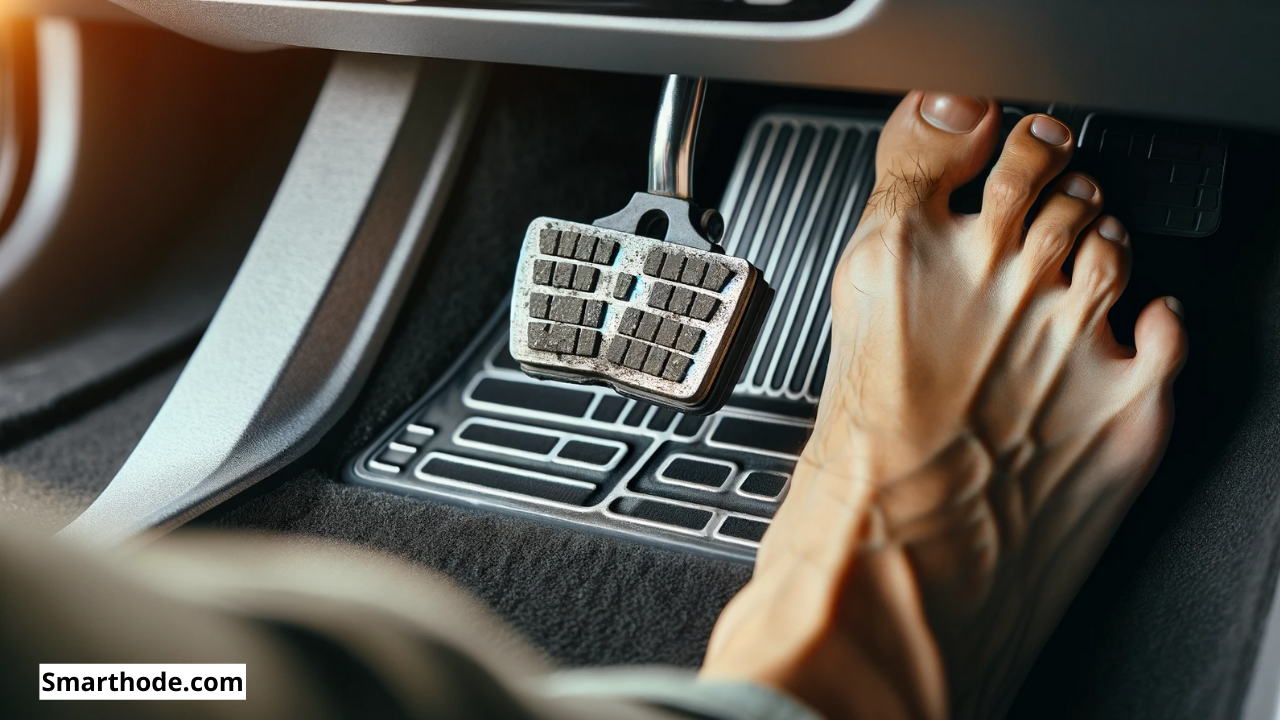
Aşınmış Fren Balatalarıyla Usta Sürüş
Driving with worn out pressure pads can be a difficult task. Pressure pads, also known as brake pads or brake shoes, are vital in ensuring safe and efficient braking. When pressure pads wear out, they can compromise the braking performance of a car and make driving dangerous.
However, it is necessary to learn how to drive with worn pressure pads when immediate replacement is not possible in an emergency. In this article, we will provide a step-by-step guide on how to drive with worn pressure pads while ensuring your safety on the road.
Read More: What is a MAF Sensor in a Vehicle
Why Are Brake Pads Important?
Brake pads are essential to your vehicle’s braking system, providing the friction needed to slow and stop the vehicle. When you press the brake pedal, the brake pads engage the brake rotor, converting kinetic energy into heat and slowing the vehicle down.
Over time, brake pads naturally wear down from constant use. This is normal, but how you deal with the situation is crucial to your vehicle’s performance and your safety.
Signs of Worn-out Pressure Pads
To stay safe on the road, it’s important to recognize the signs of worn pressure pads. Here are some common signs that it’s time to replace your pressure pads:
1. Creaking or Grinding Noises
If you hear grinding or squealing noises when braking, it’s usually a sign of worn pressure pads. This noise is caused by the metal backing of the pads making contact with the rotors or drums.
2. Decreased Brake Performance
If you notice that it takes longer to stop or that you have a decrease in braking power, this could be a sign that your pressure pads are worn. This can be especially noticeable when driving at high speeds or in emergency braking situations.
3. Vibration or Pulsation
If you feel a pulsation or pulsation in the brake pedal when braking, this may indicate uneven wear of the pressure pads. This can occur when the pads have worn significantly and are no longer in contact with the rotors or drums.
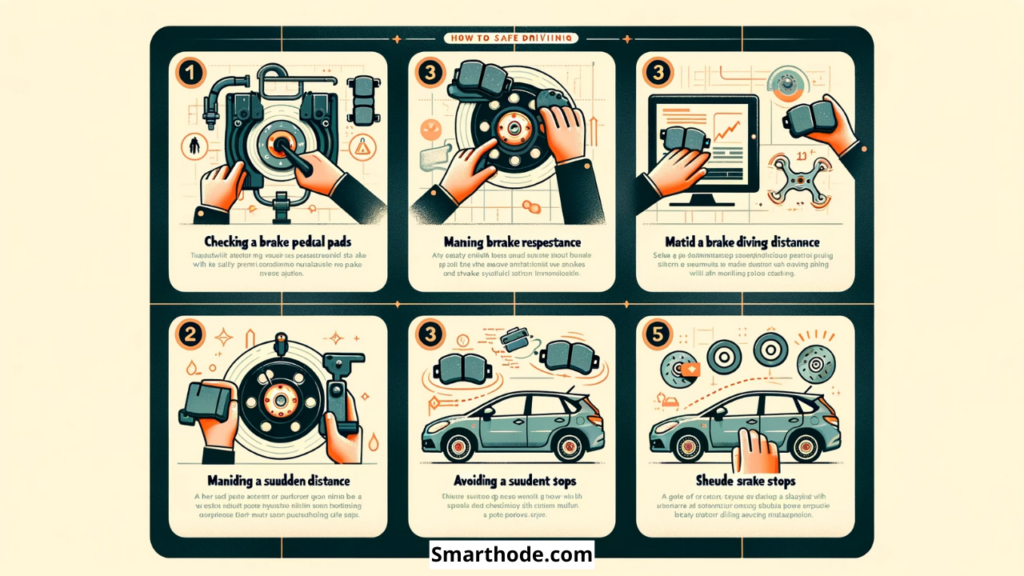
How to Drive Safely with Worn Brake Pads?
While it is not recommended to ride with worn-out pressure pads, there may be times when you may have to ride temporarily until you can replace them. In such cases, it is vital to take some safety precautions to minimize the risks. Here are some things to keep in mind:
1. Drive Softly and Gently
Avoid sudden stops or hard braking. As your brake pads wear down, you need to give yourself more time and space to slow down. Anticipate traffic signals and changes in traffic conditions so you can gradually reduce your speed.
2. Increase Following Distance
With worn brake pads, you may not be able to stop as quickly as you normally would. Increase the distance between you and the vehicle in front of you to give yourself enough time to brake.
3. Avoid High Speeds
The faster you go, the harder it is to stop. Keep your speed under control, especially on highways or in heavy traffic, as braking distances will increase.
4. Use Engine Braking
To help slow the vehicle down without relying too much on the brakes, shift to a lower gear. Engine braking can help slow the vehicle down gradually, especially when going downhill.
5. Listen to Warning Signs
Pay attention to any unusual noises, such as grinding or squealing. If you hear these sounds, it is a clear indication that your brake pads need to be replaced immediately.
6. Use the Parking Brake on Steep Hills
If you are driving on rough terrain, use the parking brake (emergency brake) when you stop to avoid putting more stress on your already worn brake pads.
7. Be Careful with Brake Fluid
When you drive with worn brake pads, your brake system can be under extra stress. Make sure your brake fluid is at the proper level to maintain optimal brake performance.
Replacing Worn Pressure Pads
Driving with worn pressure pads should only be considered a temporary solution. It is very important to replace them as soon as possible to maintain your vehicle safety and performance. Here are the steps to replace worn pressure pads:
1. Gather the Required Materials
To replace the pressure pads, you will need a wrench, a C-vise or brake caliper squeezer, brake grease or lubricant and a set of new pressure pads.
2. Lift the vehicle safely
Use a jack or car ramp to raise your vehicle off the ground. Be sure to lift and secure the vehicle safely, following the manufacturer’s instructions.
3. Remove the Wheel
Locate the wheel with the worn pressure pads and remove it using the wrench. Set the removed wheel aside in a safe place.
4. Access the Brake Caliper
Locate the brake caliper, the component that holds the pressure pads. It is usually located behind the rotor or drum. Use the wrench to loosen and remove the screws that hold the caliper in place.
5. Replace Worn Pressure Pads
With the caliper removed, you can access the pressure pads. Note the pad position, orientation, and any special instructions. Remove the worn pressure pads and replace them with new ones.
6. Lubricate and Reassemble
Apply a thin film of brake grease or lubricant to the back of the pressure pads to reduce noise and ensure smooth operation. Reassemble the brake caliper and secure it in place using the screws.
7. Repeat the same process for other wheels
Follow the same steps for worn pressure pads on each wheel, and be sure to replace all pads at the same time for best performance.
8. Test the Brakes
Lower the vehicle and test the brakes in a safe location, such as an empty parking lot, to verify that the brakes are working properly. Apply the brakes gradually and listen for any abnormal noises or vibrations.
Remember, if you need more confidence in replacing pressure pads yourself, it is always best to get professional help from a qualified mechanic to ensure the job is done correctly and safely.
Read More: What is an Axle in a Vehicle
Conclusion
Riding with worn pressure pads is not ideal, but sometimes situations call for it. By following the safety precautions outlined above, you can temporarily minimize the risks when riding with worn pressure pads.
Remember, it is very important to replace them as soon as possible to maintain the safety and performance of your vehicle. Regular checkups and maintenance are essential for overall vehicle safety, so make them a priority. Drive safely and responsibly.
FAQ About Driving With Worn Pads
1. What are pressure pads and why are they important in a vehicle’s braking system?
Pressure pads, also known as brake pads or brake shoes, are vital components of a vehicle’s braking system. They create friction against the brake disc or drum, causing the vehicle to slow down or come to a complete stop. Over time, wear and tear occurs due to constant use and friction, which affects braking performance.
2. How do I recognize the symptoms of worn pressure pads on my vehicle?
Signs of worn pressure pads include squealing or grinding noises when you apply the brakes, decreased brake performance, and vibrations or pulsations felt in the brake pedal. If you experience any of these indicators, consider replacing your pressure pads.
3. Is it safe to ride with worn pressure pads and what precautions should be taken?
While not recommended, riding with worn pressure pads may be necessary temporarily. Precautions to take include increasing following distance, reducing speed, avoiding heavy braking, and scheduling regular checkups with a qualified mechanic. These measures will help minimize risks and ensure safer driving with impaired brake performance.
4. What steps should I follow to replace worn pressure pads?
Gather the materials needed to replace worn pressure pads; a wrench, C-clamp or brake caliper squeezer, brake grease, and new pressure pads. Raise the vehicle safely, remove the wheel, and access the brake caliper
Replace worn pressure pads, lubricate and reassemble. Repeat the process for each wheel and test the brakes in a safe location.
5. Can I replace worn-out pressure pads myself, or should I seek professional help?
The guide provided outlines the steps for replacing worn pressure pads, but it is important to consider your own confidence and expertise. If you need assistance, seek professional help from a qualified mechanic to ensure the job is done correctly and safely.
6. How important is it to replace worn pressure pads quickly?
It is very important to replace worn pressure pads as soon as possible to maintain the safety and performance of your vehicle. Driving with impaired brake performance carries risks and regular checks and maintenance are necessary for overall vehicle safety.