
Araba Neden Stop Eder?
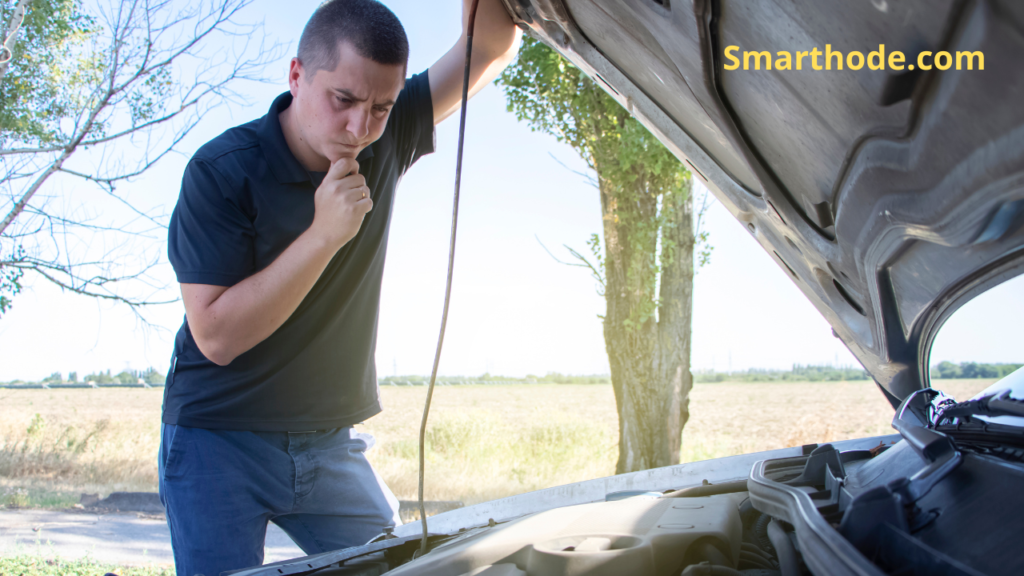
Car stalling is a common problem that many drivers experience over time. It can be frustrating and potentially dangerous, especially if it happens in the middle of traffic. Understanding why a car stalls can help drivers prevent this problem and keep their vehicles running smoothly.
There are several reasons why a car might stall, from mechanical issues to fuel problems. In this blog post, we will explore the different reasons why a car stalls and offer tips on troubleshooting and resolving the issue.
So, if you are wondering, “Why does a car stall?” read on.
Read More: Exhaust Emission Measurement Fee 2023
What Causes a Car to Stall?
There are several reasons why a car might stall. Here are some common reasons:
- Fuel Problems: A clogged fuel filter, a faulty fuel pump or a dirty fuel injector can restrict fuel flow to the engine, causing it to stall.
- Ignition System Problems : Faulty ignition coils, spark plugs or wires can cause the engine to stall by producing erratic sparking or no spark at all.
- Air Intake Problems: A faulty mass air flow sensor (MAF), throttle position sensor (TPS) or idle air control valve (IAC) can disrupt the air-fuel ratio, causing the engine to stall.
- Electrical Problems: Faulty sensors, such as the crankshaft position sensor (CKP) or camshaft position sensor (CMP), can cause stalling because they provide critical input to the engine that causes it to stall.
- Overheating: If the engine overheats, it can cause the car to stall. This could be due to a faulty cooling system, low coolant level, or a faulty thermostat.
- Transmission Problems: If the car stalls when shifting gears, this could indicate clutch, torque converter or transmission fluid problems.
- Vacuum Leaks: A vacuum leak can damage the air intake system, causing stalling. Common culprits include cracked hoses, a faulty intake manifold gasket or a faulty power brake booster.
- Mechanical Issues: Problems with the engine itself, such as a worn timing belt, damaged valves or a faulty crankshaft, can cause stalling.
It is important to remember that every vehicle is unique and the reason for stalling can vary. If your vehicle stalls frequently, it is recommended to have it checked by a professional to diagnose and resolve the underlying issue.
Signs Your Car Is About to Stall
1. Engine Misfire
If you notice that your engine is not working properly and you feel it shaking or shaking, there may be a possibility that your vehicle is stalling.
2. Slow Acceleration
If you experience a delay in acceleration or notice that your car is not as responsive as it used to be, it could be a sign that your car is having trouble staying powerful and could potentially stall.
3. Idling Stop
If your vehicle frequently stalls while idling or when stopped, this is a clear sign that there is a problem with the engine or fuel system.
4. Hard Start
If your vehicle is increasingly difficult to start, especially after it has been stopped for a while, this may be a sign that your vehicle is on the verge of stalling.
5. Abnormal Sounds
Strange noises coming from your engine, such as knocking or crackling sounds, could be a warning sign that something is wrong and your car may be stalling.
6. The Darkening of the Lights
If your headlights or interior lights dim or flicker while you are driving, it is a sign that your vehicle is not getting enough power and may stall.
7. Fuel Smell
If you smell a strong fuel smell inside or outside your car, it could be a sign of a leak or fuel system problem that could be causing the stalling.
8. Engine Warning Light
If your vehicle’s malfunction indicator light or other warning light is illuminated on your dashboard, it’s important to have your vehicle checked by a professional to prevent potential stalling issues.
If you experience any of these signs, it is important to have your vehicle checked by a trusted mechanic to diagnose and fix the underlying problem.
How to Prevent Car Stalling?
Car stalling can be quite frustrating, but fortunately, there are a few ways to prevent it. Here are some tips to help you prevent car stalling:
1. Perform Regular Engine Maintenance
Regular maintenance of your vehicle is critical to preventing stalling. Have your vehicle’s engine serviced according to manufacturer recommendations. Replace old or worn parts, such as spark plugs, fuel filters and air filters.
2. Avoid Braking Suddenly
Braking suddenly can cause the engine to stall. To avoid this, keep a safe distance from the vehicle in front of you and anticipate when you need to stop or slow down. Use the brakes gently to ensure a smooth transition.
3. Pay Attention to Your Fuel Levels
Low fuel levels can cause your car to stall. Refuel before completely draining your fuel tank. Also, check periodically for possible blockages in the fuel lines or fuel pump.
4. Drive at Appropriate Speeds
Driving in a high gear at very low speeds or in a low gear at very high speeds can cause stalling. To avoid this situation, learn the ideal speed range for each gear of your vehicle and adjust accordingly.
Remember, practice makes perfect, especially when driving a manual transmission car. Over time, you will develop a better understanding of your vehicle’s behavior and reduce the likelihood of stalling.
What Should You Do If Your Car Stalls?
If your car stalls while driving, it can be quite alarming. However, there are a few steps you can take to manage the situation safely:
1. Stay Calm and Steer Your Car to a Safe Place
If you are on a busy road, try to safely maneuver your vehicle to the side of the road or into a parking lot. Turn on your hazard lights to warn other drivers.
2. Try to Start the Engine Again
Once you have stopped safely, turn off the ignition and wait a few minutes. Then try to start the engine again. If the car starts, you can continue driving. However, if the engine does not start, it is best to seek professional help.
3. Check Your Fuel Level
Occasionally, a vehicle will stall due to low fuel levels. Check your fuel gauge. If it is low, call for assistance or walk to the nearest gas station to refuel.
4. Check Your Battery
A dead or weak battery can also cause your car to stall. Check that your headlights, dashboard, and other electrical components are working properly. If they don’t, try starting your car with the help of another vehicle or call a tow truck.
5. Check for Other Possible Problems
If the above solutions do not work, there may be other mechanical reasons for the stalling. In this case, there may be an issue with the ignition system, fuel pump, or other components. In this case, the best solution is to contact a professional mechanic.
Remember, if you are unable to manage the situation safely or are in a dangerous location, it is important to call a tow truck or emergency services. It is their responsibility to guide you and ensure your safety.
Read More: What is a Car Injector
Conclusion
Vehicles can stall for a number of reasons. Some common causes include a faulty fuel system, ignition system issues, engine or transmission issues, and faulty sensors. It’s important to maintain your vehicle with regular maintenance and services to ensure it runs smoothly.
If your vehicle still stalls frequently or you have any concerns about its performance, it is recommended that you consult a professional mechanic to diagnose and resolve the issue.