Araba Termostatı Ne İşe Yarar?
A car thermostat is a key component of a car’s cooling system. It plays a critical role in regulating engine temperature, ensuring optimal performance, and preventing overheating.
In this article, we’ll take an in-depth look at understanding what a car thermostat does and why it’s important to the overall functioning of your vehicle.
Read More: What is a Spark Plug in a Car?
Understanding the Car Thermostat
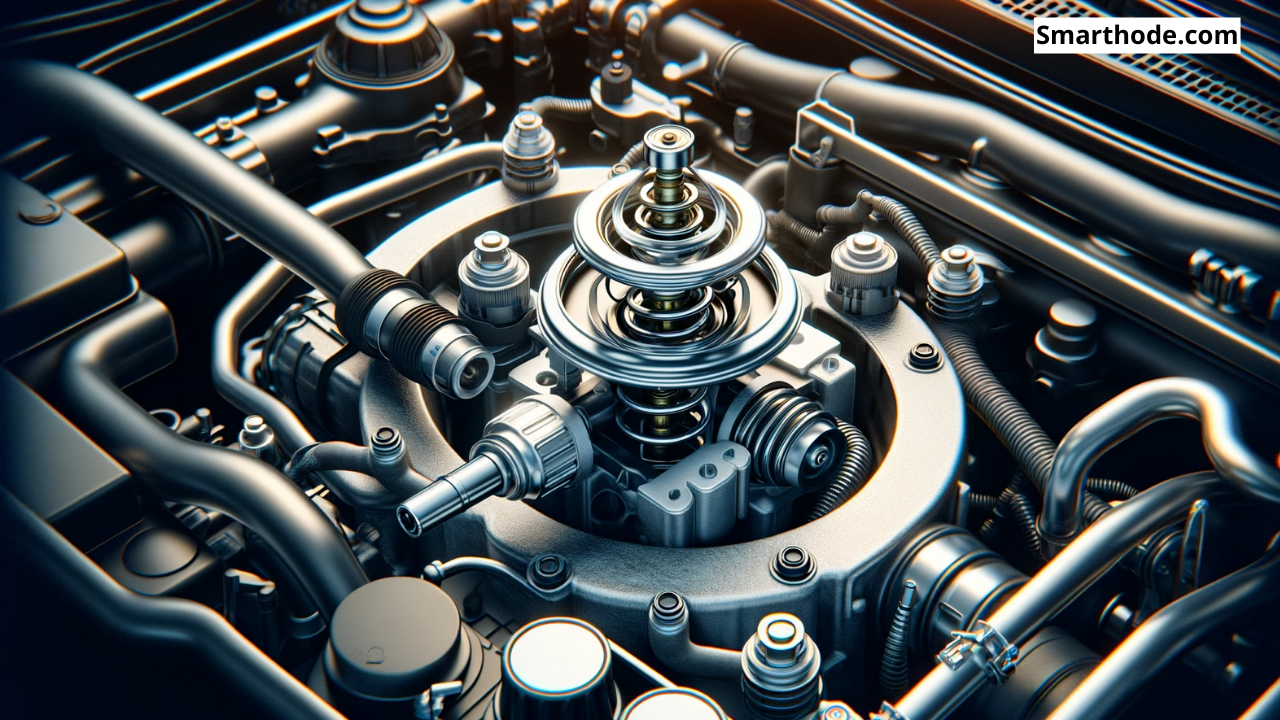
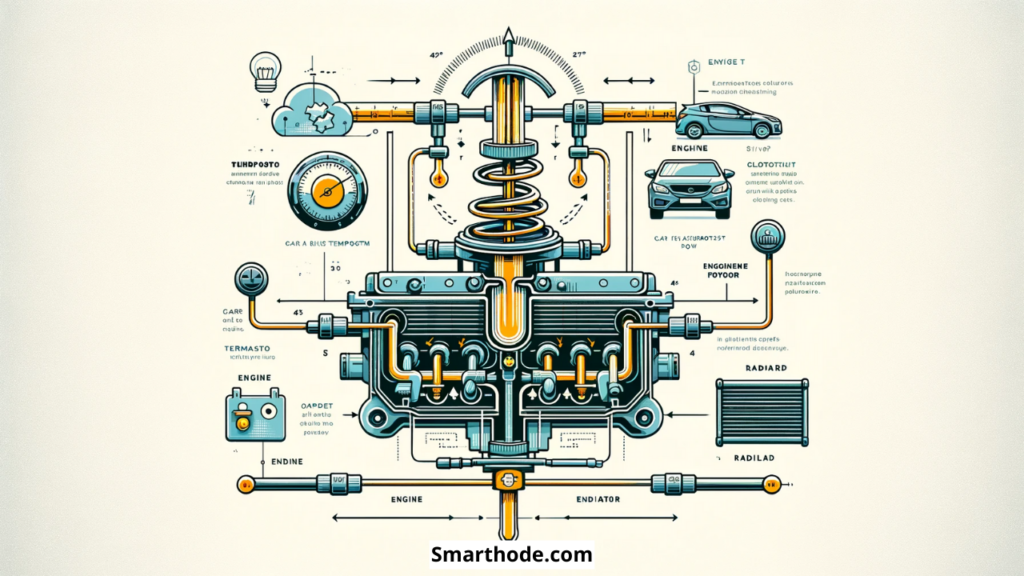
The main purpose of a Car thermostat is to keep the engine at an optimal temperature by controlling the flow of coolant. This is a valve located between the engine and the radiator.
When the engine is cold, the thermostat remains closed, preventing coolant from circulating rapidly, allowing the engine to warm up quickly. When the engine reaches the recommended temperature, the thermostat opens and allows coolant to circulate, cooling the engine and maintaining ideal operating temperature.
How Does a Car Thermostat Work?
Your car thermostat is like a traffic cop for your engine’s coolant.
Here’s a simplified explanation of how it works:
1.Cold Engine Start
When the engine is cold, the thermostat remains closed, preventing coolant from flowing into the radiator.
This allows the engine to warm up quickly, which is important for efficiency and emissions control.
2.Reaching Optimum Temperature
When the engine reaches its ideal operating temperature (usually between 180-220°F), the thermostat opens,
allowing coolant to flow through the radiator to dissipate heat and keep the engine within this safe temperature range.
3. Maintaining Balance
If the engine starts to overheat, the thermostat adjusts to let more coolant in.
It continues to regulate coolant flow throughout your drive, keeping the temperature constant under a variety of conditions, such as highway speeds or stop-and-go traffic.
This constant regulation makes the thermostat a critical part of engine temperature control.
Why Is the Car Thermostat Important?
The car thermostat is important for several reasons:
1. Engine Performance
The car thermostat is critical to maintaining the engine’s optimal operating temperature. If the engine is too cold, it can lead to excessive fuel consumption, increased engine wear, and decreased engine performance. On the other hand, if the engine overheats, it can cause serious damage, such as a blown head gasket or warped cylinder heads, which can lead to costly repairs.
2. Fuel Efficiency
The car thermostat helps keep the engine within the ideal temperature range for efficient combustion. When the engine is at the right temperature, fuel burns more efficiently, leading to better fuel economy.
A bad thermostat can cause the engine to run too cold, which can lead to poor fuel efficiency and increased fuel consumption.
3. Emissions
Correct engine temperature regulation is essential to reduce harmful emissions. When the engine is operating within its optimal temperature range, the catalytic converter can effectively convert harmful pollutants into less harmful substances.
However, if the engine is too cold, the catalytic converter may not reach optimal operating temperature, increasing emissions.
4. Engine Life
Keeping your engine at the right temperature helps extend the life of your engine. If your engine is running too hot, it can accelerate the deterioration of your engine oil and other important engine components. Over time, this can lead to premature engine wear and potential engine failure.
On the other hand, if the engine is too cold, it can lead to increased friction, poor lubrication and increased wear on engine components.
Different Types of Car Thermostats
There are several types of car thermostats on the market, each designed for specific engine requirements. The most common are:
1. Wax-Stat Thermostats
Wax-Stat thermostats consist of a wax-filled chamber that expands and contracts with temperature changes. When the engine is cold, the wax is drawn in, keeping the thermostat closed. As the engine warms up, the wax expands, causing the thermostat to gradually open.
2. Bellows Thermostats
Bellows thermostats use a sealed metal diaphragm instead of wax. When heated, the metal expands, gradually forcing the diaphragm open. Bellows thermostats are known for their precise temperature control.
3. Electronic Thermostats
Electronic thermostats use sensors to monitor engine temperature and electronically control the opening and closing of the thermostat. They offer more advanced functionality and more precise temperature regulation.
Symptoms of a Faulty Car Thermostat
Knowing the symptoms of a faulty car thermostat can help you address the problem right away. Common symptoms of a faulty car thermostat can include:
1. Engine Overheating
If your engine is consistently running hotter than normal or is frequently overheating, this could be a sign of a faulty thermostat. A thermostat that does not open at the proper temperature can cause your engine to overheat and suffer serious damage.
2. Cold Engine
Conversely, if your engine takes longer than normal to warm up or never reaches optimal operating temperature, this could be a sign of a stuck-open thermostat. When this happens, coolant is constantly circulating through the radiator, which can lead to poor engine performance, reduced fuel efficiency and increased emissions.
3. Fluctuating Temperature Display
If you notice your temperature gauge moving up and down, this could indicate that the thermostat is opening and closing intermittently. This can cause inconsistent engine temperature and could be a sign of a thermostat that needs to be replaced.
4. Low Heater Output
It can affect the performance of the heater inside your vehicle. If you are getting a low temperature from your heater even when the engine is fully warmed up, it could be due to a thermostat that is not allowing the coolant to circulate properly.
5. Cooling Water Leaks
An old thermostat can cause coolant leaks around its housing, create puddles under your vehicle, and lead to engine overheating.
Read More: What is a Carburetor
In conclusion
A car thermostat is a crucial component of a car’s cooling system that regulates and maintains engine temperature, ensuring optimum engine performance, fuel efficiency, emissions control and lifespan.
Being aware of the symptoms of a faulty thermostat can help you identify potential problems and take appropriate action. Regular maintenance and timely replacements will help keep your car’s thermostat working properly, helping to ensure the longevity and efficiency of your vehicle.
Frequently Asked Questions (FAQ) About Car Thermostats
1. What is the primary function of a car thermostat?
The primary function of a car thermostat is to regulate the flow of coolant by controlling the temperature of the engine. This ensures that the engine operates at an optimal temperature for efficient performance and prevents overheating.
2. How does a car thermostat work?
A car thermostat has a wax-filled valve, a temperature sensor, and a spring. When the engine is cold, the thermostat remains closed, allowing the engine to warm up. When the engine reaches the recommended temperature, the wax melts, opening the valve and allowing coolant to circulate, cooling the engine.
3. Why is a car thermostat important to engine performance?
A car thermostat is critical to maintaining the engine’s optimal operating temperature. If the engine is too cold, fuel consumption and wear can increase. Overheating can cause serious damage, such as a blown head gasket or warped cylinder heads, which can require costly repairs.
4. How does a car thermostat contribute to fuel efficiency?
A car thermostat helps keep the engine within the ideal temperature range for efficient combustion, resulting in better fuel economy. A faulty thermostat can cause the engine to run too cold, which can lead to poor fuel efficiency and increased fuel consumption.
5. What happens when the car’s thermostat breaks?
If a car’s thermostat fails, it can cause the engine to overheat or run too cold. Overheating can damage components like the cylinder head gasket or the engine itself, while running too cold reduces efficiency and increases wear. Address the problem quickly to avoid costly repairs.