Fren Sıvısı Nedir?
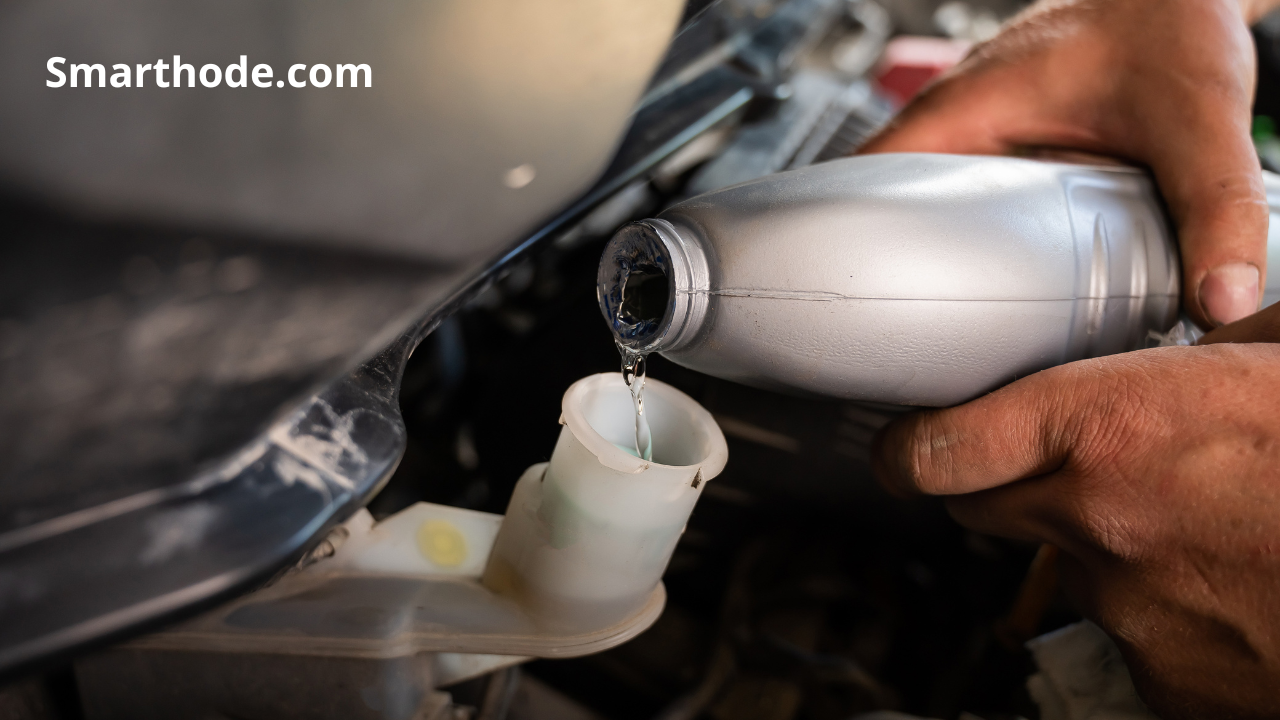
Brake fluid is a type of hydraulic fluid designed specifically for use in hydraulic brake systems. It plays an important role in the braking process by transferring force from the brake pedal to the brake pads or shoes, allowing the vehicle to stop.
It is usually made from a mixture of glycol ethers or silicone fluids. It has a high boiling point to withstand the heat generated during braking, and a low freezing point to remain liquid even at cold temperatures.
It is also formulated to be compatible with the rubber components used in brake systems. Understanding the properties and importance of brake fluid is important for proper vehicle maintenance and safe driving.
In this article, we’ll go into detail about what brake fluid is, how it works, and why it’s important to keep it in optimal condition.
Purpose and Importance of Brake Fluid
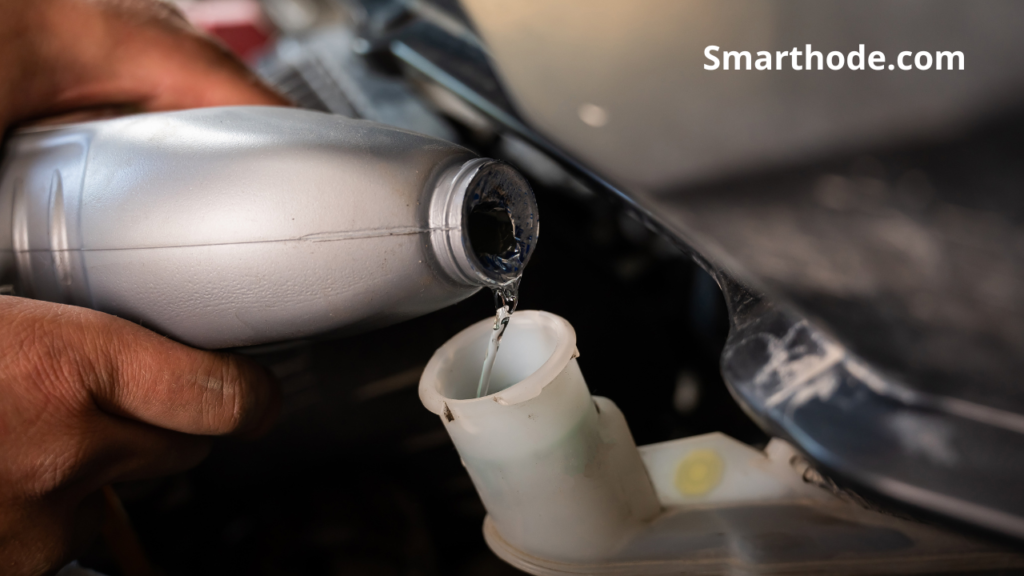
Brake fluid plays a key role in keeping a vehicle’s braking system working properly. Its purpose is to transmit force from the brake pedal to the brake components, allowing the vehicle to slow down or stop.
Here are some key points that highlight the importance of brake fluid:
1. Hydraulic System Operation
Brake fluid is an incompressible fluid that transmits the force applied to the brake pedal to the brake calipers or wheel cylinders.
This force then allows the brake pads or shoes to put pressure on the rotors or drums, creating the friction that slows the vehicle down.
2. Heat Resistance
Brake fluid must be able to withstand the high temperatures that occur during braking. When the brakes are applied, friction between brake components produces heat.
If the brake fluid cannot withstand these high temperatures, it may boil, which may lead to loss of brake power or brake failure.
3. Corrosion Prevention
Brake fluid contains additives that help prevent corrosion within the brake system. Over time, moisture can enter the system through rubber seals or hoses.
Moisture can lead to corrosion and damage to brake components, which can lead to reduced brake performance or even failure.
4. Lubrication
Brake fluid lubricates the various components within the brake system, ensuring smooth operation and reducing wear. It prevents friction between moving parts, which prevents premature failure of parts such as pistons and seals.
5. Maintenance and Safety
Regular maintenance of brake fluid is vital to the safety and reliability of the brake system. Over time, brake fluid can become contaminated with moisture, dirt and debris, compromising its effectiveness. Regularly changing and replenishing brake fluid helps maintain optimal brake performance and ensures system longevity.
In short, brake fluid is essential for a vehicle’s brake system to operate safely and efficiently. It transfers force, withstands high temperatures, prevents corrosion, lubricates components and requires regular maintenance to ensure optimal performance.
Understanding the Different Types of Brake Fluid
Brake fluid is a key component of a vehicle’s braking system, transferring force from the brake pedal to the brake calipers. There are several different types of brake fluid, and it’s important to understand the differences between them.
1. DOT 3
DOT 3 brake fluid is one of the most commonly used types in vehicles. There are two main types: one is glycol-based and the other is silicone-based.
It is suitable for most everyday driving conditions and is compatible with most brake systems. However, it is hygroscopic and can absorb moisture over time, reducing its effectiveness.
2. DOT 4
DOT 4 brake fluid is similar to DOT 3, but has a higher boiling point. It is glycol-based and is suitable for most vehicles.
DOT 4 brake fluid is more resistant to absorbing moisture, so it is a better option for high-performance or heavy-duty applications.
3. DOT 5
DOT 5 brake fluid is silicone-based and has a higher boiling point than DOT 3 and DOT 4 fluids. It is non-hygroscopic, meaning it does not absorb moisture.
DOT 5 brake fluid is typically used in classic cars and motorcycles because it is less aggressive to paint and other vehicle components. However, it is incompatible with most modern brake systems because they are typically designed for glycol-based fluids.
4. DOT 5.1
DOT 5.1 brake fluid is a glycol-based fluid with a higher boiling point. It is suitable for high-performance vehicles with advanced brake systems.
DOT 5.1 fluid is more resistant to absorbing moisture, so it is a good option for vehicles exposed to extreme conditions.
It is also important to check the brake fluid level regularly and change it as indicated in the vehicle’s maintenance schedule. The best way to be sure that your vehicle’s brake system is properly maintained or what type of brake fluid should be used is to consult a qualified mechanic or consult your vehicle’s owner’s manual.
How Brake Fluid Works in Vehicle Brake Systems
Brake fluid plays an important role in a vehicle’s braking system. It is a hydraulic fluid that transmits the force applied to the brake pedal to the brake components, allowing the vehicle to slow down or come to a complete stop.
Here’s how brake fluid works in a vehicle’s braking system:
1. Brake Fluid Reservoir
The brake fluid reservoir is usually located under the hood, usually near the firewall. It holds brake fluid and is designed for easy inspection and maintenance.
2. Master Cylinder
When the brake pedal is depressed, the master cylinder is activated. The master cylinder is responsible for converting the mechanical force from the brake pedal into hydraulic pressure.
3. Hydraulic System
The hydraulic system includes brake lines, hoses, and the calipers or wheel cylinders. These components are filled with brake fluid, and the hydraulic pressure generated by the master cylinder is responsible for activating the brakes at each wheel.
4. Pressure Transmission
When the brake pedal is depressed, it pressurizes the brake fluid by pushing a piston inside the master cylinder. This pressurized brake fluid is delivered to the brakes at each wheel through brake lines and hoses.
5. Brake Calipers/Wheel Cylinders
In disc brake systems, pressurized brake fluid reaches the brake calipers. The calipers contain pistons that squeeze the brake pads against the brake rotor, creating friction, which slows the vehicle down.
In drum brake systems, brake fluid reaches the wheel cylinders. The cylinders contain pistons that press the brake pads against the brake drum, creating friction, which slows the vehicle down.
6. Releasing the Pressure
When the brake pedal is released, pressure in the hydraulic system is released, which allows the brake pads or shoes to pull away from the brake rotors or drums. This retraction prevents unnecessary friction or brake application when the brakes are not being used.
It is important to check the brake fluid level and quality regularly, as it can deteriorate over time due to moisture absorption and heat exposure. If the brake fluid becomes contaminated or loses its effectiveness, it can compromise the performance and safety of the brake system.
Regular maintenance, changing brake fluid according to manufacturer recommendations, is recommended to ensure optimal brake performance.
Potential Risks of Using the Wrong Brake Fluid
Using the wrong brake fluid in a vehicle can lead to a number of potential risks. Here are some of the most common risks:
1. Brake Failure
Different brake fluids have different chemical compositions and properties. Using an incompatible brake fluid can lead to reduced brake performance or complete brake failure.
This can be especially dangerous in emergency situations where you have to stop quickly.
2. Brake System Damage
Brake fluids are designed to work with specific brake systems. Using the wrong brake fluid can damage the seals, hoses and other components of your brake system.
This can lead to leaks, loss of brake fluid and ultimately brake failure.
3. Reduced Brake Efficiency
Brake fluids are formulated with specific properties, such as boiling point and viscosity, to ensure effective braking performance.
Using the wrong brake fluid can result in reduced braking efficiency, longer stopping distances and increased wear on brake components.
4. Corrosion and Rust
Brake fluids contain additives to prevent corrosion within the brake system. Using the wrong brake fluid can result in the lack of or incompatibility of these additives, which can lead to corrosion and rust. This can compromise the integrity of the brake system and shorten its life.
5. Cancellation of Warranty
Using the wrong brake fluid in a vehicle can void the manufacturer’s warranty. Manufacturers recommend specific brake fluids for their vehicles and failure to follow these guidelines can result in warranty claims being denied.
To avoid these risks, it is extremely important to use the correct brake fluid recommended by your vehicle’s manufacturer.
Conclusion
Brake fluid is a key component of hydraulic brake systems and is responsible for transmitting force from the brake pedal to the brake pads or shoes. It has a special formulation that has a high boiling point, low freezing point and compatibility with rubber components.
Regular checks and maintenance are necessary to ensure its effectiveness, as moisture absorption can compromise its performance. Using the correct type of brake fluid specified by the vehicle manufacturer is vital for optimal safety and functionality.