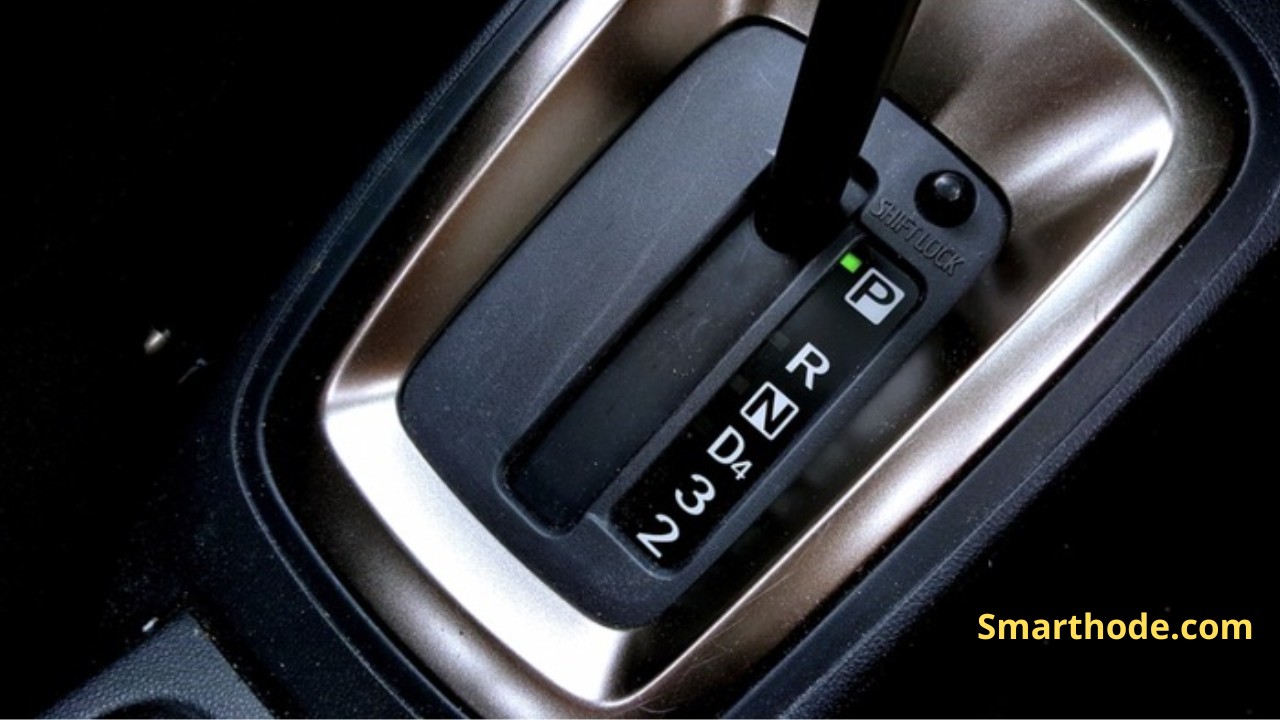
Otomatik Şanzımandaki Harflerin Anlamı Nedir?
Automatic transmissions have become a standard feature in most modern vehicles, offering a feature that makes the driving experience smoother and more convenient. A common feature of automatic transmissions that often surprises drivers is the lettering on the gear lever or console.
These letters represent different driving modes or gears that can be selected to optimize performance and fuel efficiency.
In this article, we will analyze the letters commonly found on automatic transmissions and reveal their meanings.
Let’s take a look.
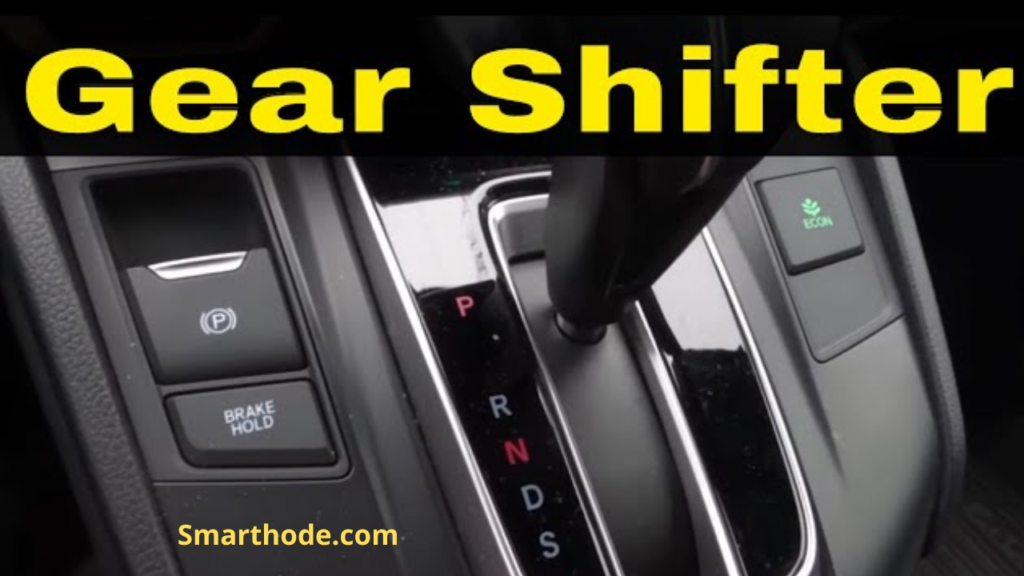
What Do the Letters on a Vehicle’s Automatic Transmission Mean?
1. P – Park
The “P” on the gear lever stands for Park. This is one of the most important settings on your car’s automatic transmission. When you put your car in “Park,” the transmission is locked and the car is prevented from rolling.
This is the location you should use when you are finished driving and ready to park your vehicle.
Key Points
- Always shift to “P” position before shutting off the engine.
- Shifting to “P” locks the transmission and engages the parking brake, preventing the vehicle from moving.
- Never shift to “P” while the vehicle is in motion, otherwise the transmission may be damaged.
2. R – Reverse Gear
The “R” stands for Reverse and, as the name suggests, it helps you steer your vehicle back. Use this gear when you need to back up, but watch out for obstacles behind you by looking in your mirrors and turning your head.
Key Points
- When you need to reverse, switch to “R”.
- To avoid damaging your transmission, always come to a complete stop before shifting into “R”.
- Avoid shifting into “R” when moving forward, as this could cause serious mechanical damage.
3. N – Neutral
“N” stands for Neutral, and it’s a gear that separates the transmission from the engine. By selecting neutral, you cut the power from the engine to the wheels, allowing your vehicle to move freely without resistance. You can use this gear to push or pull your vehicle, or during long stops.
Key Points
- Use “N” when waiting at a red light or idling in traffic.
- Do not use “N” when driving fast, as this can cause loss of engine power and control.
- It is generally not necessary to use “N” during normal driving because the vehicle is designed to stay in gear.
4. D – Driving
“D” stands for Drive and is the most commonly used gear for normal driving conditions. When you select Drive, the transmission automatically shifts through the available gears (usually first through fourth or fifth), providing fuel efficiency and smooth acceleration optimized for your vehicle’s speed and load.
Key Points
- “D” is used for normal driving while moving forward.
- The transmission automatically adjusts to the appropriate gear according to your speed.
- When driving in “D” position, the vehicle shifts between lower and higher gears as needed, making it ideal for city driving and highway cruising.
5. L – Low Gear
“L” stands for Low gear, also known as low range gear. This gear is used when more power or control of your vehicle is needed, such as when driving uphill or towing a heavy load. By keeping your vehicle in a low gear, it allows the engine to rev more and produce more power.
Key Points
- Use “L” or “1/2” for maximum engine power, such as towing, off-roading, or steep hills.
- It helps prevent your vehicle from shifting into higher gears that may not provide enough power in certain conditions.
- It is also useful when driving downhill, as it can provide engine braking and help you control your speed.
6. S or Sports
Some automatic transmissions may have an “S” or “Sport” mode. This mode is designed for a more spirited driving experience, providing faster gear changes and allowing the engine to rev more before upshifting. It increases performance and responsiveness, which is especially useful in situations such as overtaking or winding roads.
Key Points
- “S” mode is perfect for those moments when you want more power and faster acceleration.
- It is especially useful when you need to overtake or accelerate quickly on the highway.
- The car will hold lower gears longer to maintain higher RPMs and better performance.
7. M – Manual Mode
Some automatic transmissions may also have an “M” mode, which stands for Manual. In this mode, you can manually select gears using the shift paddles or gear lever.
This gives you more control over the transmission and the ability to change gears as you wish. It is often used by drivers who want a more interactive and sporty driving experience.
Key Points
- Use “M” for greater control over the transmission, especially when driving on winding roads or in difficult conditions.
- Some cars allow you to manually shift up and down using paddles behind the steering wheel or by shifting the gear lever itself.
- It’s a great option for those who want the best of both automatic and manual transmissions.
How Do Automatic Transmissions Work?
Automatic transmissions are complex systems that allow you to change gears automatically without the need for manual shifting. Here is a simplified explanation of how automatic transmissions work:
Torque Converter:
The torque converter connects the engine to the transmission and allows the engine to run even when the vehicle is stopped. It transfers power from the engine to the transmission using hydraulic fluid.
Planet Gear Set:
The heart of an automatic transmission is the planetary gear train. This is a system of sun gears, planet gears, and a ring gear. By engaging or disengaging different combinations of these gears, the transmission can achieve different gear ratios.
Hydraulic System:
Automatic transmissions use hydraulic pressure to control the engagement and disengagement of gears. The hydraulic system includes a number of components including the transmission’s various valves, pistons, and flows, and directs hydraulic pressure to the appropriate parts of the transmission.
Control Module:
The control module is the brains of an automatic transmission system. It receives input from various sensors, such as vehicle speed, accelerator pedal position, and engine load, and uses this information to determine how and when to shift gears. It sends signals to the hydraulic system to activate the appropriate clutches and bands for gear changes.
Clutches and Bands:
Clutches and bands are used to engage and disengage different gears in the planetary gear train. They are controlled by hydraulic pressure and are responsible for transmitting power from the engine to the wheels.
When the driver moves the gear selector to “drive” or “reverse”, the control module takes the input and determines the appropriate gear ratio based on the vehicle’s speed and other factors. It then sends the signal to the hydraulic system to activate the necessary clutches and bands and achieves what is necessary to achieve the desired gear ratio.
As the vehicle accelerates or decelerates, the control module continuously monitors driving conditions and adjusts gear ratios accordingly. This allows the engine to operate at optimal speed and power output.
In general, automatic transmissions are complex mechanical and hydraulic systems that work together to provide smooth and efficient gear changes without manual intervention.
What Do The Numbers 1 And 2 On The Gear Shift Lever Mean?
On the gear lever, 1 and 2 usually refer to the lower gears on a manual transmission. Here’s what they mean:
First Gear (1):
This is the lowest gear in the transmission and provides the most torque while offering the lowest speed. It is used to start the vehicle after it has stopped or when traveling at very low speeds, especially on a steep slope or when towing a heavy load.
Second Gear (2):
This gear provides higher speed than first gear, but produces less torque. It is usually used in city traffic or when driving on a moderate slope. It provides better control over vehicle speed and acceleration.
Either way, manually shifting into these gears is useful when you want more control over your vehicle’s power delivery and maximize torque.
However, most modern automatic transmission vehicles will automatically shift into these gears when necessary, so you may not need to shift manually in these situations.
Final Words
Understanding the letters on your vehicle’s transmission can help you better utilize your vehicle’s features and optimize your driving experience. Knowing which gear to select is important when parking, reversing, cruising, or looking for more power.
The next time you get behind the wheel, take a moment to familiarize yourself with the lettering on your automatic transmission. This will give you a better understanding of your vehicle’s capabilities and allow you to enjoy a safer, more efficient driving experience.
Frequently Asked Questions About Automatic Transmission Letters
1. What do the letters on your automatic transmission represent?
The letters on your automatic transmission represent different drive modes or gears. These include P (Park), R (Reverse), N (Neutral), D (Drive), L (Low Gear), S or Sport, and M (Manual Mode).
2. How do automatic transmissions work?
Automatic transmissions use a torque converter, planetary gearset, hydraulic system, control module, and clutch/bands to achieve smooth gear changes without correction. The system adjusts gear ratios based on driving conditions.
3. What do the numbers “1” and “2” on the gear shift lever mean?
In an automatic transmission, the numbers “1” and “2” represent the lower gears. “1” is used for maximum torque at low speeds, while “2” provides higher speeds with less torque. These gears are useful in certain driving conditions, but in modern vehicles they are usually engaged automatically.
4. Do I need to manually shift gears “1” and “2” on automatic transmissions?
Most modern automatic transmission vehicles will automatically shift gears when gears “1” and “2” are needed. Manual shifting can be used when more power delivery control is required.
5. Why is it important to understand automatic transmission letters?
Understanding these letters helps optimize driving experiences by choosing the appropriate gear for different situations, ensuring safety, efficiency and better use of the vehicle’s features.